A Preview Is Not a Promise: Reading Digital Smile Design With Clear Eyes

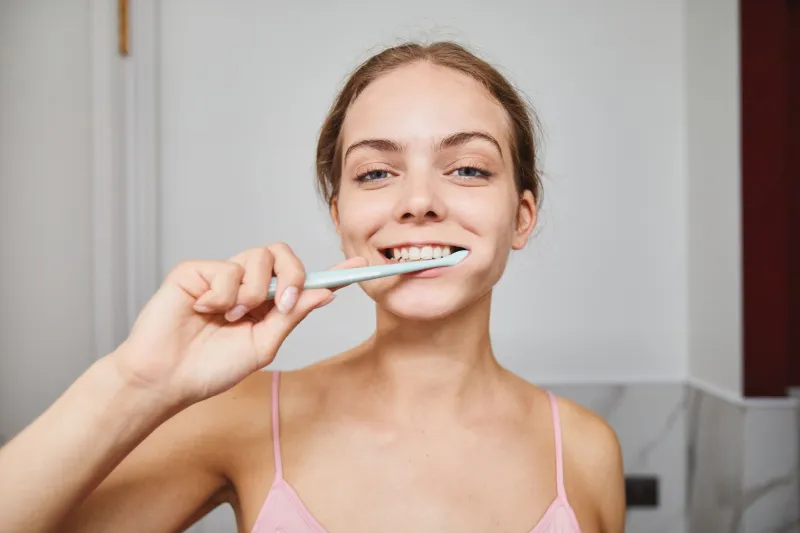
Photo by Photo by Quang Tri NGUYEN on Unsplash on Unsplash
The appeal is obvious. Before a single tooth is prepared, a patient can see a proposed smile on a screen: straighter edges, a more even gum line, a warmer shade, a shape that seems to fit the face. Digital smile design and AI-assisted previews have become common conversation tools in cosmetic dentistry, and they can be genuinely useful. But a preview is an image, not a prognosis. Understanding the difference is essential for anyone considering a smile makeover in 2026.
The Appeal of Seeing Before Believing
Cosmetic dentistry asks patients to make decisions about a part of the body they see every day but rarely study with clinical distance. A digital preview can make an abstract discussion concrete. It can help a patient point to a feature and say, I like this, or, This feels too wide for my face. That is valuable. Communication improves when both patient and clinician can refer to the same visual reference.
AI-assisted tools can also accelerate the early design phase. They can generate multiple variations, compare proportions, and help a clinician illustrate options. For a patient who is uncertain about whether to pursue treatment at all, a preview can reduce the fear of the unknown.
What a Preview Can Reveal
A well-constructed digital design can show relationships. It can illustrate how tooth length relates to lip line, how the midline aligns with the face, how much tooth is displayed at rest and when smiling, and how shade might interact with skin tone. It can demonstrate the difference between a rounded and a squarer edge, or between a conservative and a more extensive change in gum contour.
These are useful conversations because cosmetic dentistry is not a single procedure. It is a set of decisions about proportion, symmetry, texture, and restraint. A preview can make those decisions visible. It can also help a patient recognize when less change would be more harmonious.
What a Preview Cannot Capture
An image cannot show how a tooth will function under bite forces. It cannot reveal whether a proposed shape will interfere with speech or feel comfortable against the tongue. It cannot predict how gums will heal after contouring, how porcelain will reflect light in a dim restaurant, or how a shade will look after a year of coffee and aging. It cannot account for the health of the underlying tooth structure or the stability of the bite.
Biology is not a rendering engine. The mouth is a dynamic system of enamel, dentin, pulp, periodontal tissue, muscle, and bone. Digital design can propose an appearance, but it cannot guarantee that the biology will accept every detail of that proposal without compromise.
There is also the question of editing. A preview may be refined for presentation: lighting adjusted, lips positioned, skin smoothed, shadows controlled. These choices are not necessarily deceptive, but they can create a polished image that feels more definitive than the clinical reality. Patients should ask whether the preview is a design concept, a diagnostic mock-up, or a simulation based on their actual dental records.
The Risk of the Polished Image
When a preview is treated as a promise, disappointment becomes more likely. A patient may expect the final result to match the screen exactly, overlooking the role of natural variation, material properties, and healing. A clinician may feel pressure to pursue a design that looks good in an image but is less sound functionally.
The more subtle risk is that the image replaces the conversation. Cosmetic dentistry at its best is a dialogue about identity, proportion, and long-term health. A preview should support that dialogue, not short-circuit it. If the image becomes the authority, the patient's own sense of what feels natural can be drowned out by a very convincing rendering.
Using Digital Design as a Conversation Tool
Patients can use digital previews well by asking specific questions. Is this design based on my actual tooth proportions? Which parts are aspirational and which are clinically realistic? What would this look like with a more conservative approach? What cannot be shown on this screen? How will we test the design before irreversible treatment?
A diagnostic mock-up, a trial smile, or a temporary restoration can provide information that a screen cannot. So can a discussion about function, speech, and maintenance. The preview is most useful when it is paired with clinical examination and a clear explanation of limitations.
A Clear-Eyed Standard for 2026
The rise of AI in smile design is not a reason for cynicism. It is a reason for clarity. A digital preview can be an excellent starting point for a conversation about harmony, proportion, and expectation. It can help a patient articulate what they want and help a clinician explain what is possible.
But the final result is not designed on a screen alone. It is designed in the mouth, with respect for biology, function, and time. At Artisan Dental Studio, we see digital design as a sketch, not a contract. A sketch can inspire. It can guide. It cannot replace the judgment that comes from examining the person behind the smile.