From Mouth to Microbiome: The Surprising Way Your Dental Health Shapes Your Whole Body
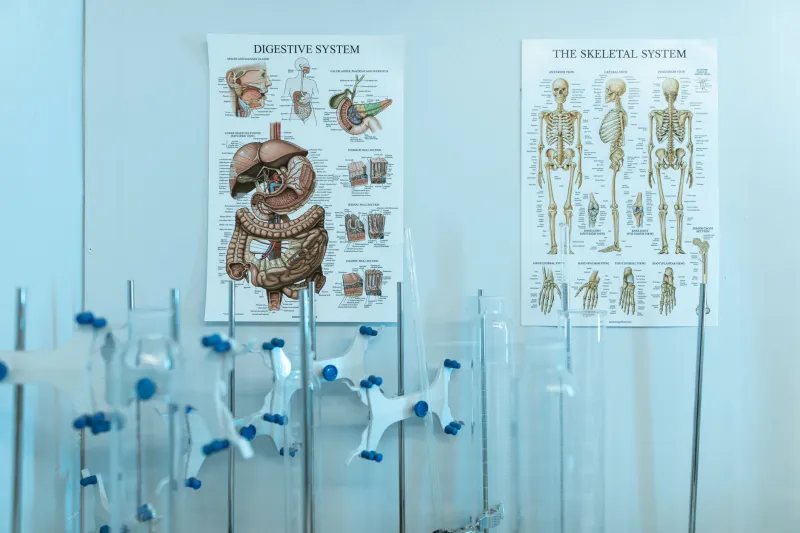
Most Americans think of a dental visit as something they schedule when a tooth aches or when they want a brighter smile before a major life event. The mouth, in popular imagination, is largely a standalone structure—something to be cleaned, straightened, or whitened, but otherwise disconnected from the broader machinery of human health. Science, however, tells a very different story.
Your mouth is not a closed system. It is, in fact, the primary gateway through which the external world enters your body. Every breath, every meal, every conversation that brings you into proximity with other people passes through this singular portal. And within it lives a remarkably complex community of microorganisms—bacteria, fungi, viruses, and archaea—collectively known as the oral microbiome. What happens to that community does not stay there.
A Community of Hundreds
Researchers have identified more than 700 distinct microbial species residing in the human mouth at any given time. Some of these organisms are essential to health, assisting with everything from the initial breakdown of food to the regulation of blood pressure through nitrate metabolism. Others, when allowed to proliferate unchecked, become agents of disease—not only locally, but systemically.
The balance between these populations is delicate, and it is profoundly influenced by the quality of your dental care. Infrequent brushing, untreated gum disease, cracked or decayed teeth, and poorly fitting restorations all create environments where harmful bacterial strains can gain a foothold. Once established, those strains do not simply remain in the mouth. They migrate.
The Gut Connection
Perhaps the most direct pathway from the oral cavity to systemic health runs through the gastrointestinal tract. Every day, you swallow approximately one to two liters of saliva. With it, you ingest a continuous sample of your oral microbiome. Under healthy conditions, this presents little concern—the stomach's acidic environment neutralizes most transient bacteria before they can colonize the intestines.
However, when the oral microbiome is dysbiotic—that is, when harmful species have overtaken beneficial ones—the story changes. Studies published in journals including Cell Host & Microbe and Nature Communications have documented the presence of oral pathogens such as Fusobacterium nucleatum and Porphyromonas gingivalis within the gut microbiomes of patients with inflammatory bowel disease and colorectal cancer. Researchers now suspect that chronic oral infections may serve as a persistent inoculation source, gradually reshaping the gut's microbial landscape in ways that promote inflammation and disease.
This does not mean that gum disease causes colorectal cancer. The science is nuanced and still evolving. What it does suggest, with increasing clarity, is that the health of your mouth and the health of your gut are not independent variables.
Immunity Begins at the Gum Line
The oral cavity is also a primary site of immune activity. The tissues of the mouth—particularly the gingiva, or gum tissue—are richly supplied with immune cells that serve as sentinels against microbial invasion. When gum disease develops, this immune apparatus is placed under chronic stress.
Periodontitis, the advanced form of gum disease affecting roughly 47 percent of American adults over the age of thirty according to the Centers for Disease Control and Prevention, is characterized by persistent low-grade inflammation. That inflammation does not remain localized. Inflammatory cytokines and bacterial endotoxins enter the bloodstream through compromised gum tissue, contributing to systemic inflammatory burden. This mechanism has been implicated in the development and progression of cardiovascular disease, type 2 diabetes, rheumatoid arthritis, and adverse pregnancy outcomes.
In essence, an inflamed mouth is an inflamed body—and the immune system, perpetually occupied with managing oral pathogens, has fewer resources available for other threats.
The Artisan Perspective: Dentistry as Whole-Body Architecture
At Artisan Dental Studio, we approach the mouth the way a skilled architect approaches a building: understanding that every element is connected, that what occurs in one part of the structure inevitably affects the integrity of the whole. A restoration is never merely cosmetic. A healthy gum line is never merely aesthetic. These are the foundations upon which your broader health is built.
This perspective shapes how we conduct care. A thorough examination at our practice includes not only an assessment of teeth and restorations, but a careful evaluation of gum tissue health, the presence of oral lesions, signs of acid erosion that might suggest gastroesophageal reflux, and patterns of wear that could indicate sleep-disordered breathing. These findings are not footnotes—they are potential windows into systemic conditions that your primary care physician may not yet have detected.
What You Can Do
The practical implications of the mouth-microbiome connection are both meaningful and actionable. Several habits and interventions have demonstrated measurable effects on oral microbial balance:
Consistent professional care. Twice-yearly cleanings remove the calcified bacterial deposits that brushing and flossing cannot. For patients with a history of periodontal disease, more frequent intervals—typically every three to four months—are often appropriate.
Targeted home hygiene. Brushing twice daily with a fluoride toothpaste, flossing once daily, and using an antimicrobial or alcohol-free mouth rinse as directed can meaningfully reduce the population of pathogenic species.
Diet and the microbial ecosystem. Diets high in refined sugars feed the bacterial strains most associated with decay and gum disease. Conversely, diets rich in fiber, fermented foods, and polyphenol-containing plants—leafy greens, berries, green tea—have been shown to support a more balanced oral microbiome.
Addressing restorative needs promptly. Cracked teeth, failing fillings, and ill-fitting crowns create microscopic niches where harmful bacteria accumulate and evade mechanical cleaning. Timely restorative care eliminates these reservoirs.
Staying hydrated. Saliva is the mouth's primary self-defense mechanism, delivering antimicrobial proteins and buffering acids produced by bacteria. Chronic dry mouth—whether from medication side effects, mouth breathing, or inadequate hydration—compromises this defense and accelerates microbial imbalance.
A New Way to Think About the Dental Chair
The conversation around dental care in the United States has long been dominated by two poles: the urgent (pain, infection, broken teeth) and the aesthetic (whitening, veneers, alignment). Both are legitimate. But they represent an incomplete picture.
Your dental appointments are, at their most fundamental, an opportunity to monitor and protect one of your body's most consequential ecosystems. The clinician examining your mouth is not only assessing enamel and bone—they are observing the health of a community of organisms whose balance or imbalance will be felt throughout your body for years to come.
At Artisan Dental Studio, we believe that truly beautiful dentistry is inseparable from truly healthy dentistry. The smile we help you design and maintain is not merely a surface—it is an expression of a body that has been thoughtfully, comprehensively cared for. The art begins with the science, and the science begins here, at the gateway of your health.