The Consultation Is the Portfolio: How to Read a Cosmetic Dentist Before You Commit
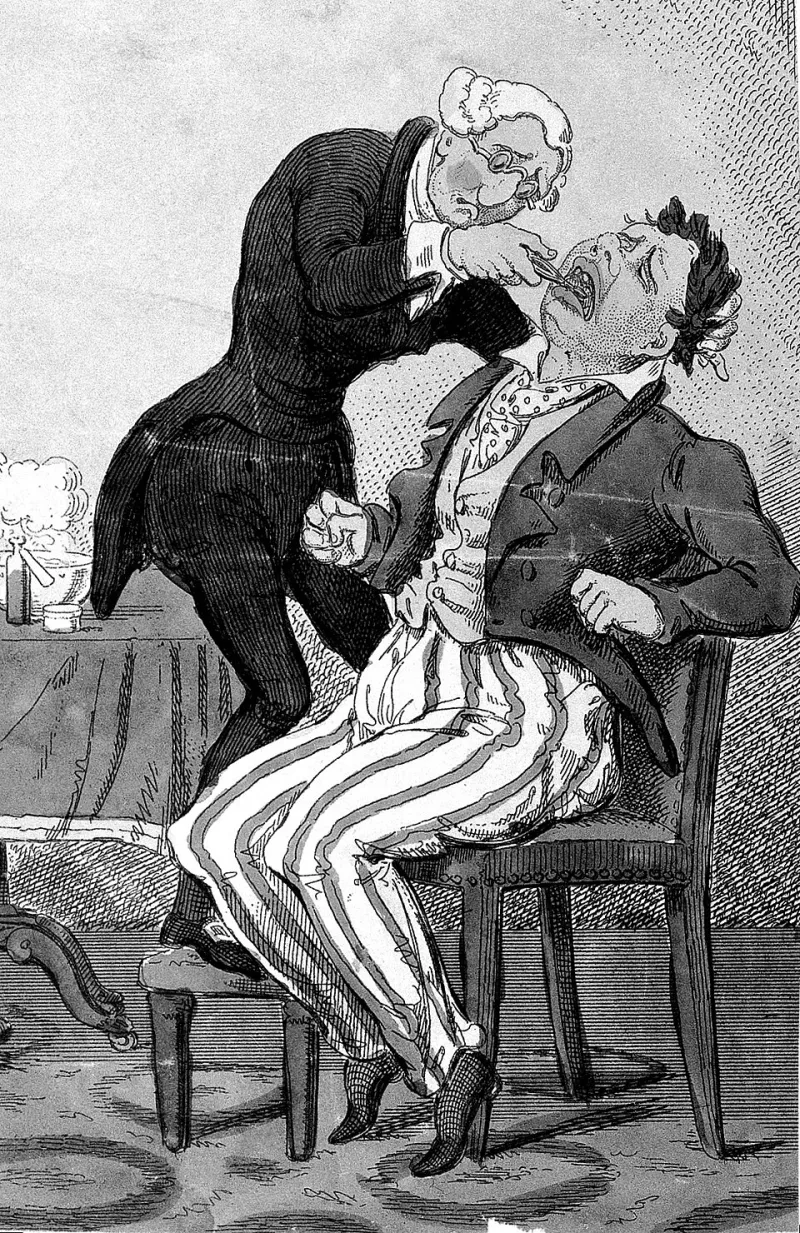
Photo: Unknown, CC BY 4.0, via Wikimedia Commons
A cosmetic dentist is usually chosen the way a service is chosen: compare fees, skim reviews, confirm credentials, book the appointment. That sequence is efficient, and it answers the wrong question. The question is not whether a clinician is licensed and busy. It is whether this particular person, working with this laboratory, in this particular style, is the right partner for a change you will live with for a decade or more.
A word of disclosure: this is an argument, not a neutral survey. It reflects a view that cosmetic dentistry is a design discipline practiced with surgical and material constraints, and that the patient's job in the selection process is closer to commissioning than to purchasing.
Why the Parallel to a Design Partner Holds
An architect is not selected because the license is framed in the lobby. It is selected because the built work looks the way the client wants to live, because the questions asked during the first meeting suggest a mind that listens, and because the process described is one the client can tolerate for the months it will take.
Cosmetic dentistry operates under the same logic with less margin. The material is a face. The result is not a rendering that can be revised after occupancy; enamel removed does not return. A patient who selects on price and convenience alone is, in effect, commissioning permanent work on the basis of a directory listing.
Credentials Answer a Narrower Question Than You Think
Accreditation, continuing education, licensure, and specialty training all matter. They establish a floor — evidence that a clinician has pursued structured training beyond the minimum and has been assessed by peers. What they cannot tell you is whose faces that clinician treats, whether the work holds up after eight years, how a revision is handled when a margin shows, or whether the dentist will tell you that a treatment you have requested is a poor idea.
Treat credentials as the entry requirement for the conversation, not the conclusion of it.
Read the Work With a Critical Eye
Case galleries are worth studying closely, and worth reading skeptically.
- Look for variety. A portfolio composed of similar faces, similar ages, and similar complexions suggests a narrow range rather than broad judgment.
- Look for consistency in the fundamentals: proportion, midline, gum architecture, incisal edge position, and the relationship between the teeth and the lip.
- Look for follow-up. Long-term images, even imperfect ones, indicate confidence in durability.
- Look for honesty. A clinician who shows only flawless before-and-after pairs, always in flattering light, is presenting advertising rather than evidence.
- Ask to see cases resembling yours — similar starting point, similar concern, similar face.
The Diagnostic Conversation Is the Real Interview
In a well-run consultation, questions come before proposals. Does the clinician ask how you feel about your smile in photographs, at work, in conversation? Does the examination include the lips, the smile line, the gums, the bite, and the wear patterns — or only the front teeth? Is there an attempt to understand what you want the change to accomplish, rather than what you want done?
A clinician who proposes a treatment plan in the first ten minutes, before examining function, is describing a product. A clinician who asks what you dislike about three separate photographs of yourself is beginning a design process.
Philosophy: Conservative by Default
Minimal preparation is not automatically superior; some situations genuinely require more coverage. What distinguishes a careful clinician is the ability to explain why — the reason a particular tooth needs the preparation it needs, the reason a case is staged rather than completed at once, the reason a request should be declined.
The test is simple. Ask what happens if the work fails in ten years, and what the option is at that point. Ask how much tooth structure will be removed and whether that decision is reversible. Ask what the clinician would recommend if cost were not a factor, and then ask what they would recommend for themselves. The answers separate conviction from salesmanship.
Who Actually Does the Work
A question patients ask too rarely: who will be holding the instruments, and who will be designing the ceramics? In multi-doctor practices, the clinician you meet may not be the clinician who treats you. The ceramist — often the true author of the esthetic result — may be in-house or in a laboratory three states away. Ask how the shade and contour information reaches that person, whether a try-in or mock-up is standard, and who handles adjustments afterward.
Communication You Can Evaluate Before You Pay
You are entitled to a written plan that lists the sequence, the fees, the timeline, and the contingencies. You are entitled to know what happens if a veneer debonds in the first year. You are entitled to a straight answer when you ask whether a proposed treatment is necessary. You are also entitled to judge the practice by its front office, because the same system that cannot return a call about scheduling will not reliably manage a post-operative concern at seven in the evening.
Ten Questions Worth Bringing
- How many cases like mine have you completed, and may I see several?
- Who designs and fabricates my restorations, and may I see that person's work?
- Will I see a mock-up or trial smile before anything is permanent?
- How much tooth structure will be removed, and is that reversible?
- What are the alternatives, including doing nothing?
- What is the maintenance plan, and what does it cost annually?
- What happens if something fails in the first year, and in the tenth?
- Who will perform each stage of treatment?
- How often do you decline to treat a case, and why?
- What would you do if this were your own smile?
Price as a Signal, Not a Verdict
An unusually low fee usually indicates a compressed process: less diagnostic time, less laboratory involvement, fewer try-ins. An unusually high fee does not guarantee artistry. What the fee should purchase is legible — hours of planning, custom fabrication, a defined revision policy, and access to the clinician when something feels wrong.
The Read of the Room
Some of this cannot be reduced to a checklist. Notice whether the appointment felt rushed. Notice whether your questions were welcomed or managed. Notice whether anyone looked at your face rather than at your teeth alone. The relationship will outlast the treatment, and the treatment will reflect the relationship. Choose accordingly.