Your Mouth Is Talking: The Systemic Health Secrets Hidden in Plain Sight
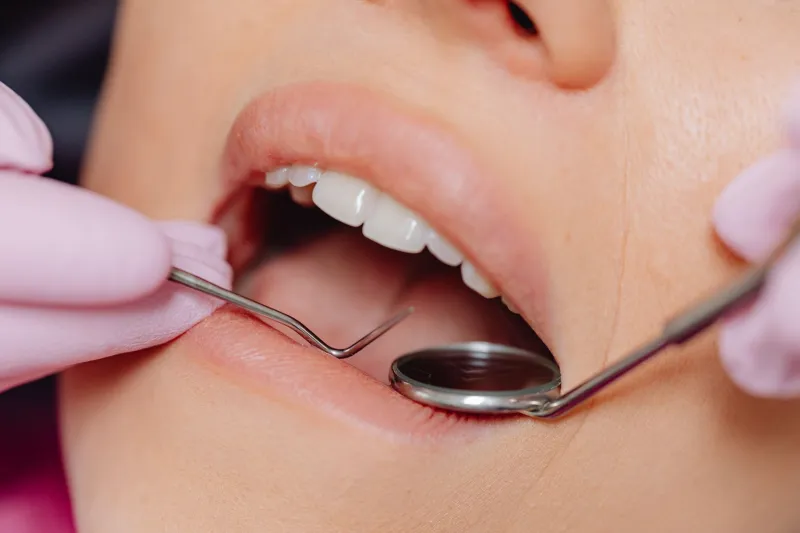
Most people visit a dental practice with one goal in mind: keeping their teeth clean and their smile presentable. Yet the oral cavity is, by any clinical measure, one of the most information-rich environments in the human body. At Artisan Dental Studio, every examination is approached not merely as a routine cleaning appointment but as an opportunity to read the nuanced signals your mouth is sending—signals that often speak to conditions far removed from your gumline.
The science connecting oral health to systemic wellness has expanded dramatically over the past two decades, and what researchers have uncovered is both fascinating and clinically significant. Your teeth, gums, tongue, and surrounding tissues are, in a very real sense, a living diagnostic record.
The Gum-Heart Connection: A Well-Documented Warning
Perhaps no oral-systemic relationship has received more attention than the link between periodontal disease and cardiovascular health. Multiple large-scale studies, including research published by the American Heart Association, have identified a meaningful association between chronic gum disease and elevated risk for heart disease and stroke.
The mechanism is not entirely mysterious. When the gum tissue becomes chronically inflamed—a hallmark of periodontitis—bacteria from the oral cavity can enter the bloodstream. These bacteria have been detected in arterial plaque, suggesting that the inflammatory cascade originating in your mouth may contribute to the narrowing and hardening of blood vessels elsewhere in the body.
At Artisan Dental Studio, patients who present with persistent gum inflammation, bleeding upon probing, or significant bone loss visible on dental radiographs are counseled about this connection. In several cases, a dental examination has prompted patients to schedule cardiovascular screenings they had been postponing—screenings that, in at least a few meaningful instances, revealed early-stage hypertension or arterial concerns their physicians were then able to address proactively.
This is not alarmism. It is the practice of dentistry as a genuine partner in whole-body wellness.
Tooth Wear Patterns: Reading the Story of Stress and Sleep
The surfaces of your teeth are extraordinarily durable, yet they are not indestructible—and the ways in which they wear down tell a remarkably specific story.
Bruxism, the habitual grinding or clenching of teeth, is among the most common stress-related oral behaviors in the United States. The American Sleep Association estimates that sleep bruxism affects between 8 and 10 percent of adults, though many individuals remain entirely unaware of the habit until a dental professional identifies the characteristic flattening of the cusp tips, enamel chipping along the biting edges, or microfractures in the tooth structure.
Beyond stress, these wear patterns can indicate sleep-disordered breathing. Research has increasingly linked nighttime grinding to obstructive sleep apnea, as the body may grind the teeth in an unconscious effort to reopen a partially obstructed airway. A patient who presents with both significant wear facets and reported daytime fatigue may be referred for a sleep study—a recommendation that has, in our practice, led to life-changing diagnoses for individuals who had attributed their exhaustion to ordinary busy schedules.
Erosion patterns that appear on the inner surfaces of the upper front teeth, by contrast, may suggest frequent exposure to gastric acid—a clinical indicator associated with gastroesophageal reflux disease (GERD) or, in some cases, disordered eating. These findings are communicated with sensitivity and care, and always in partnership with the patient's broader medical team.
Gum Tissue Changes and Systemic Medications
The appearance of your gum tissue can also reflect what is happening elsewhere in your body—or what medications your body is processing. Certain classes of drugs, including some calcium channel blockers prescribed for high blood pressure, specific anti-seizure medications, and some immunosuppressants, are associated with gingival overgrowth, a condition in which the gum tissue proliferates beyond its normal contours.
Diabetes presents another compelling example. Individuals with poorly controlled blood glucose levels frequently exhibit more severe and rapidly progressing gum disease. The relationship is bidirectional: periodontal infection can make blood sugar harder to regulate, while elevated glucose levels impair the body's ability to fight the bacteria responsible for gum disease. For patients managing diabetes, consistent periodontal care is not a cosmetic consideration—it is a meaningful component of metabolic management.
Oral Lesions: When a Spot Demands Attention
The soft tissues of the mouth—the cheeks, tongue, palate, and floor of the mouth—are inspected during every comprehensive examination at Artisan Dental Studio. Unusual lesions, persistent ulcerations, or unexplained white and red patches can occasionally represent early-stage oral cancer, a disease that affects roughly 54,000 Americans annually according to the American Cancer Society.
Early detection is transformative in terms of outcomes. Lesions identified in their initial stages carry significantly better prognosis than those discovered after symptoms have become pronounced. This is why the oral cancer screening component of a dental visit carries weight that extends far beyond what most patients realize when they sit down in the chair.
Preventive Dentistry as an Investment in Total Health
The artistry of dentistry, as we practice it, encompasses more than the creation of beautiful smiles—though that dimension of our work carries its own profound significance. It includes the discipline of careful observation, the willingness to ask questions that reach beyond the teeth, and the commitment to treating each patient as a complete person rather than a collection of dental concerns.
When you schedule a comprehensive examination at Artisan Dental Studio, you are not simply maintaining your smile. You are participating in an ongoing conversation between your oral health and your overall well-being—a conversation that, when listened to attentively, can yield insights that make a genuine difference in the quality and length of your life.
Your mouth has been speaking all along. The question is whether you have had a care team willing to listen.