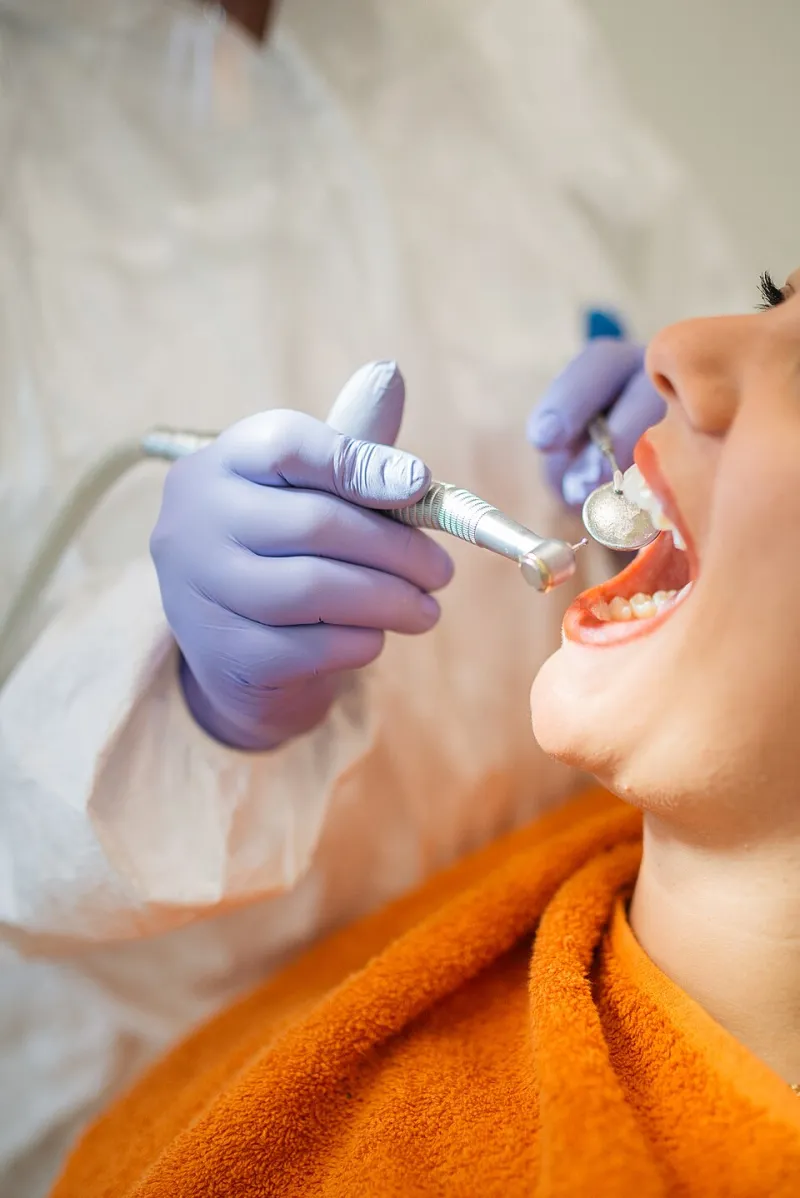
The Dress Rehearsal: What to Test at Your Cosmetic Try-In Before Anything Is Bonded
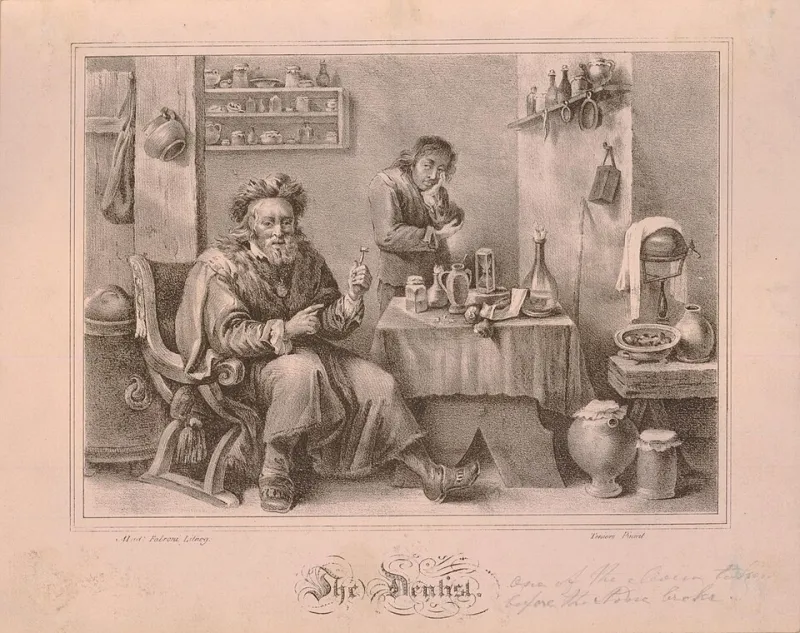
Photo: After: David Teniers the Younger Print made by: A Fabroni, Public domain, via Wikimedia Commons
Between the consultation and the appointment where your final restorations are bonded sits a stage most patients treat as a formality: the try-in. Whether it arrives as a wax-up preview, a set of printed provisionals, or a trial seating of the finished ceramics, this visit is the only reliable opportunity to live inside a new smile while it can still be changed.
At Artisan Dental Studio, we describe the try-in as a dress rehearsal. The costume is on, the stage lights are up, and nothing has been sewn shut. What follows are the tests we invite patients to run — and the questions worth asking when the answer to any of them is “almost.”
Why the Try-In Merits More Than a Glance
A mirror at arm's length is a poor witness. It flatters, it compresses, and it cannot tell you how a new incisal edge will behave when you say the word “specifically” for the fourth time in a meeting. Provisionals and trial placements exist precisely so that fit, phonetics, and color can be evaluated under conditions closer to ordinary life. Patients who spend twenty deliberate minutes at this stage routinely save themselves months of adjustment — or an unnecessary remake.
Test One: Speak Before You Look
Ask to see the restorations, then look away and talk. Recite a passage aloud, count from sixty to seventy, and repeat a sentence dense in sibilants: “She sells seashells by the seashore” remains a useful instrument, as does “sixty-six sticky wickets.” Then try the phrases you actually use — your job title, your children's names, the shorthand you repeat on client calls.
What you are listening for is air. A new incisal edge that sits a fraction too far forward will turn an S into a whistle; a slightly thick lingual surface can make T and D sounds feel clumsy against the tongue. These are not failures of the dentist's eye. They are the reason the try-in exists.
Test Two: The Bite, Assessed in Motion and in Stillness
Clench gently, then firmly. Slide your teeth left and right as though grinding a sesame seed. Swallow. Then report honestly on how the contact feels: evenly distributed, or concentrated on one or two teeth that seem to take all the load?
A useful question to ask is what will happen overnight. If a restoration is slightly proud of the bite, the first sign often appears at 3 a.m., when the jaw exercises a clenching habit you never notice while awake. Ask your dentist to check the bite both sitting up and lying back, since the jaw's position shifts with posture.
Test Three: Read the Color in Three Lights
Shade is contextual, not absolute. Ask to step into daylight near a window, then examine the same teeth under the operatory's overhead light, then under the warmer illumination of a reception area or hallway. Many practices will hand you a mirror and walk with you.
Particularly, watch the transition where your new restorations meet untreated teeth. A match that looks seamless in one room may reveal a slight value mismatch — one tooth brighter or grayer — in another. That observation is worth making now, while the ceramics can still be adjusted or remade.
Test Four: Let the Camera Disagree With You
Ask a staff member to take three photographs: a front-facing portrait at conversational distance, a close-up smile, and a short video in which you talk and laugh. Then look at the images on a screen, not on the back of a phone held at a flattering angle.
Cameras catch what mirrors forgive. They reveal asymmetry that reads as character in person but as imbalance in a photograph, and they show how the smile sits within the whole face rather than in isolation. If your work involves being photographed — a wedding, a campaign, a professional headshot — say so at this stage, not afterward.
Test Five: Live a Little, Within Reason
Provisionals are designed to be tested. Ask whether you may eat something with resistance (a crust of bread, a carrot), drink something cold, and sip something staining. Depending on the material and the stage of treatment, your dentist may set limits — follow them. The aim is not to abuse the trial but to gather evidence.
Bring a list of real scenarios: a board meeting, a first date, a long flight, a winter morning when you breathe through your mouth. Ask how the restorations are expected to feel in each. Patients who describe their lives in specifics get better answers than those who ask, generally, whether everything looks fine.
The Questions Worth Asking When Something Feels Off
If a test produces doubt, name it plainly and ask:
- What exactly would change if we adjusted this — the shape, the position, or the surface texture?
- Is this something we can modify in the provisional stage, or would it require a new laboratory prescription?
- How much time do we have before the decision becomes expensive?
- Can I see this version for a few days before we commit?
- Who will be reviewing this besides you — a ceramist, a technician, a colleague?
A dentist who welcomes these questions is not defensive; that dentist is treating the try-in as the working appointment it is meant to be.
Distinguishing Discomfort From Design
Not every sensation at the try-in signals a problem. Slight bulk on the tongue, mild sensitivity at the margins, and a period of adaptation are ordinary. What should not be dismissed: a bite that feels high on a single tooth, speech that degrades noticeably, a margin you can catch with a fingernail, or a color relationship that bothers you in every lighting condition you try.
Leaving With a Decision, Not a Hope
The purpose of the dress rehearsal is to convert uncertainty into information. Arrive with your calendar, your photographs, and your questions. Leave with a clear record of what was approved, what will be adjusted, and when the next checkpoint occurs. A smile that has been tested is a smile you can trust — and the trust is earned in the chair, before anything becomes permanent.