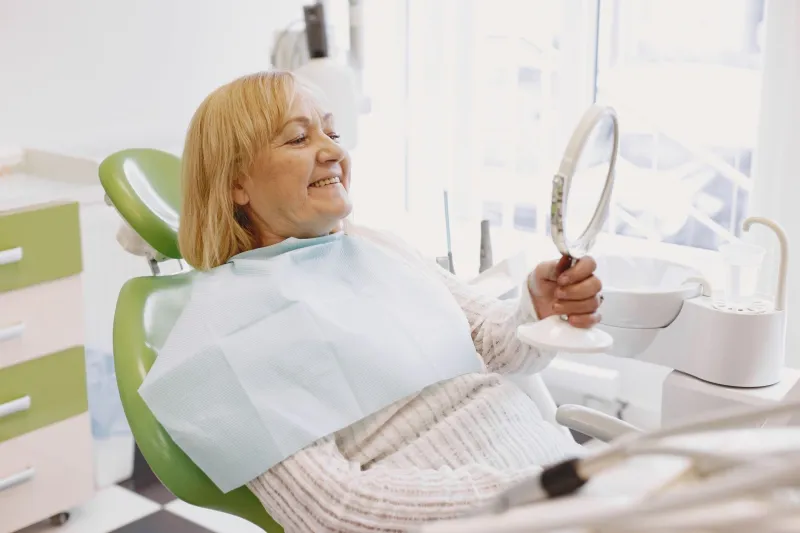
Rethinking the Bill: The Surprising Financial Case for Investing in Your Smile

When most people glance at a cosmetic dentistry treatment plan, their first instinct is to weigh the cost against their monthly budget. The figure may give pause. What rarely enters that initial calculation, however, is everything that a healthy, well-crafted smile quietly returns over the years that follow. At Artisan Dental Studio, we believe that dentistry, at its finest, is both a science and an investment—one whose dividends extend well beyond the mirror.
The conversation around dental care in the United States has long been shaped by a reactive mindset: treat what hurts, delay what doesn't. Yet the financial logic embedded in that approach is, upon closer examination, deeply flawed. Understanding why requires looking at the full ledger, not just the initial line item.
The Emergency Care Trap: What Waiting Actually Costs
Delayed dental treatment is one of the most reliably expensive decisions a person can make. A hairline crack left unaddressed becomes a fractured tooth. A fractured tooth becomes a root canal, a crown, or an extraction. An extraction, if unrestored, leads to bone loss, shifting teeth, and eventually a far more complex restorative case.
According to data from the American Dental Association, emergency dental visits in the United States cost patients an average of two to three times more than equivalent preventive or elective procedures performed at routine intervals. A porcelain crown placed proactively on a compromised tooth may cost between $1,200 and $1,800 depending on the region. The same tooth, once it fractures and requires extraction followed by an implant, can run $3,500 to $6,000 or more—often with less ideal aesthetic outcomes.
The arithmetic is not subtle. Prevention and early intervention are not merely medically sound; they are fiscally responsible.
The Salary Premium No One Talks About
Research published in peer-reviewed economics and social psychology journals has consistently documented what hiring managers and HR professionals have long understood intuitively: physical appearance, including the quality of one's smile, influences professional perception and compensation outcomes.
A study from the American Journal of Orthodontics and Dentofacial Orthopedics found that individuals with straighter, more aesthetically pleasing teeth were rated as more intelligent, more successful, and more trustworthy in first impressions. Separate research from economists at the University of Texas estimated that individuals considered more attractive earn, on average, three to four percent more per hour than their peers—a figure that compounds meaningfully over a career spanning decades.
Three percent may sound modest in isolation. Applied to a $70,000 annual salary over a 30-year career, that premium represents more than $63,000 in additional lifetime earnings—a figure that dwarfs the cost of even a comprehensive smile makeover.
This is not an argument that appearance should determine professional worth. It is, rather, an honest accounting of the world as it currently operates—and an acknowledgment that investing in one's presentation yields measurable returns.
Oral Health, Systemic Health, and the Hidden Healthcare Savings
The mouth is not an isolated system. Decades of research have established firm connections between chronic oral inflammation and conditions including cardiovascular disease, type 2 diabetes, and respiratory illness. Periodontal disease, in particular, has been associated with significantly elevated risk for heart attack and stroke—two of the most financially devastating health events an American family can face.
The average hospitalization for a cardiac event in the United States exceeds $20,000. Managing the downstream consequences of untreated gum disease—including specialist referrals, chronic medication, and lost productivity—adds further financial weight. By contrast, the cost of maintaining excellent periodontal health through consistent professional care and, where appropriate, restorative intervention, represents a fraction of those potential expenses.
Patients who undergo cosmetic or restorative treatment also tend to adopt more diligent at-home oral hygiene habits. The psychological ownership that comes with a smile one values is a documented behavioral phenomenon. When people feel proud of their teeth, they brush more carefully, floss more consistently, and attend preventive appointments more reliably. The result is a compounding reduction in future dental expenditure.
Social Confidence as a Quantifiable Asset
The financial returns of social confidence are harder to tabulate precisely, but they are no less real. Individuals who smile freely and engage comfortably in social settings report higher rates of professional networking success, stronger personal relationships, and greater overall life satisfaction—each of which carries economic implications.
In the context of dating and partnership, research from sociologists at the University of Wisconsin found that individuals with high social confidence were more likely to enter and sustain long-term relationships, which are themselves associated with greater financial stability, shared household economics, and improved health outcomes. The downstream financial value of a confident social life is not trivial.
Smile avoidance—the documented tendency of those dissatisfied with their teeth to withdraw from social interaction—carries its own quiet costs: missed networking events, restrained participation in meetings, reluctance to pursue promotions that require public-facing presence. Addressing the source of that avoidance is not vanity. It is strategic.
Comparing the True Lifetime Cost
Consider two hypothetical patients, both in their mid-thirties. The first invests in a comprehensive smile assessment, addresses two crowns, completes a professional whitening, and commits to biannual preventive care. Her total investment over the following decade: approximately $8,000 to $12,000.
The second delays treatment, managing discomfort with over-the-counter remedies and attending the dentist only when pain becomes unavoidable. Over the same decade, he faces two emergency extractions, one implant, escalating periodontal treatment, and the eventual need for partial restoration. His total expenditure: $18,000 to $28,000—and a more compromised functional and aesthetic outcome.
The preventive investment does not merely cost less. It delivers more: better function, a more confident appearance, and a foundation that supports continued oral health rather than one that requires perpetual remediation.
A Different Way to Frame the Conversation
At Artisan Dental Studio, we approach every treatment consultation with the understanding that a smile is one of the most enduring investments a person can make in themselves. The artistry we bring to cosmetic and restorative work is inseparable from the science that underpins it—and both are inseparable from a genuine commitment to our patients' long-term wellbeing.
The question worth asking is not Can I afford this? It is What is the true cost of not addressing this? When the full ledger is opened—career trajectory, systemic health, emergency care avoidance, social and emotional returns—the calculus shifts considerably.
A well-crafted smile is not an indulgence. It is, by any honest financial measure, one of the more prudent investments available to you.