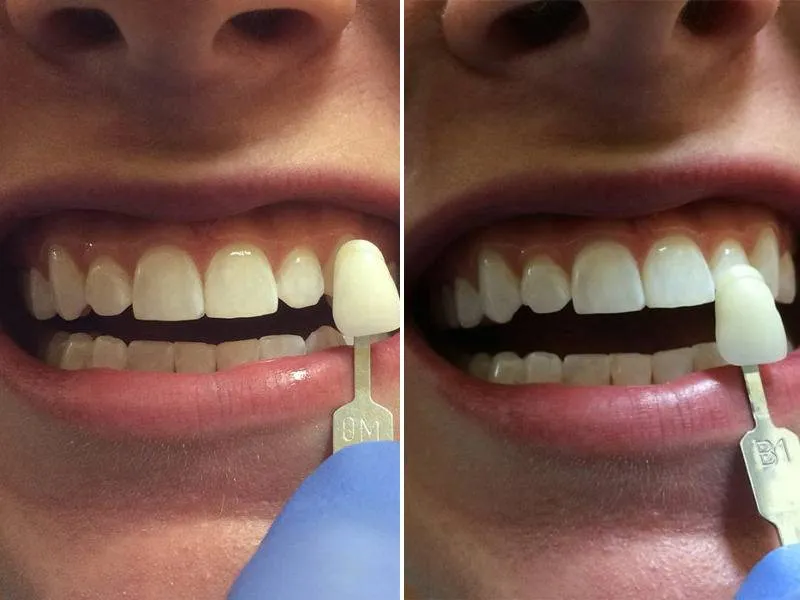
Genes Gave You a Starting Point. Dentistry Gives You a Choice.
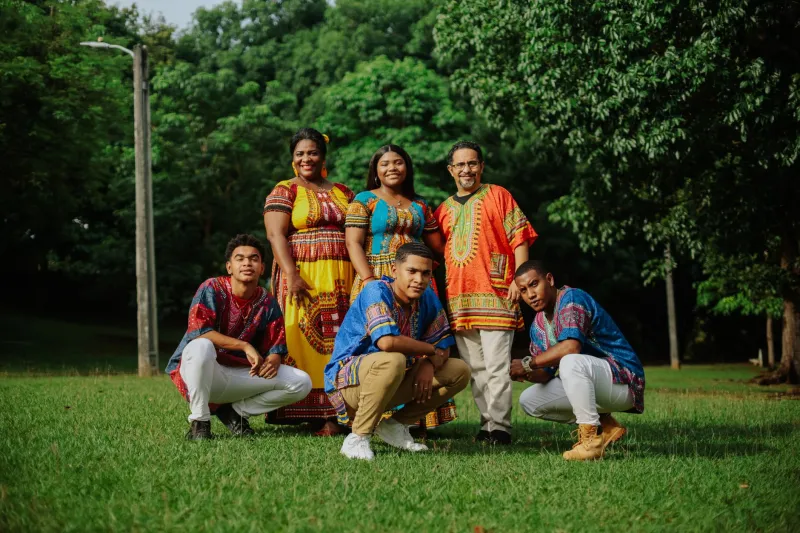
Look closely at a family photograph—a real one, spanning generations—and you may notice something beyond the shared cheekbones and familiar eyes. There is often a recognizable smile: a slight crowding of the lower teeth, an overbite passed from parent to child, or a characteristic gap that appears in each face like a recurring signature. Genetics writes the first draft of your dental story. What happens next, however, is increasingly a matter of personal authorship.
Understanding what you inherit—and what you can intentionally change—is one of the most empowering conversations a patient can have with their dental care team.
What Genetics Actually Determines
Your DNA contributes more to your oral anatomy than most people realize. Jaw size, tooth dimensions, enamel density, and the spacing relationships between teeth are all substantially heritable traits. A parent with a narrow palate is statistically more likely to raise children who experience crowding. Families with strong histories of open bites or deep overbites tend to see those patterns repeat across generations with remarkable consistency.
Enamel quality is another inherited factor that often goes unacknowledged until damage becomes visible. Some individuals are genetically predisposed toward thinner enamel, which wears and stains more readily than average—making them more susceptible to sensitivity, discoloration, and eventual erosion regardless of how conscientiously they brush. Conversely, some patients inherit unusually dense, resilient enamel that holds up remarkably well even under imperfect conditions.
None of this is destiny in the absolute sense. But it is context—and context matters enormously when designing a smile that will perform and endure.
The Emotional Weight of a Familiar Smile
For some patients, the inherited smile carries emotional significance that transcends aesthetics. There is a particular kind of tenderness in recognizing your grandmother's smile in your own reflection, or noticing that your child has inherited the same slight overlap you have always lived with. These inherited characteristics can feel like a form of connection—physical evidence of lineage, belonging, and shared history.
This is precisely why the conversation about changing one's smile deserves more nuance than a simple clinical checklist. When a patient arrives at Artisan Dental Studio considering a significant cosmetic transformation, the most thoughtful approach involves exploring not only what they want to change, but what that change means to them. Some patients feel entirely ready to rewrite their dental narrative. Others discover, through careful reflection, that they want to preserve certain inherited qualities while refining others.
There is no universally correct answer. What matters is that the decision emerges from genuine self-awareness rather than external pressure or unexamined assumptions.
When Breaking the Pattern Becomes a Practical Necessity
Sometimes the choice to diverge from one's inherited dental blueprint is less philosophical and more pragmatic. Severe malocclusion—misalignment of the bite—can cause chronic jaw tension, uneven tooth wear, and difficulty chewing that compounds over decades. A family history of significant crowding may predispose someone to periodontal complications if left unaddressed. In these cases, restorative intervention is not simply cosmetic preference; it is proactive health management.
The distinction matters because it reframes the conversation. Choosing to correct a bite pattern that has caused your parent and grandparent decades of discomfort is not a rejection of heritage. It is an act of informed self-care—one made possible by advances in diagnostics and treatment that simply were not available to previous generations.
Orthodontic treatment, whether through traditional appliances or clear aligner systems, can address inherited spacing and alignment concerns with a precision that earlier patients never had access to. Porcelain restorations can rebuild enamel that genetics rendered thin or prone to wear. Implant technology can replace teeth lost to hereditary susceptibility in ways that restore both function and appearance with lasting integrity.
Designing Around—Not Away From—Who You Are
The most artistically successful smile transformations are those that honor the whole person: their facial proportions, their personality, their history, and their aspirations. At Artisan Dental Studio, the philosophy has always been that cosmetic dentistry is not about erasing individuality—it is about refining and amplifying it.
When a patient chooses to move beyond the smile they inherited, the goal is not to produce a generic result that could belong to anyone. It is to create a smile that feels unmistakably theirs—one that fits their face, suits their character, and supports their long-term oral health. The inherited smile provided the raw material. The artisan approach shapes it into something that serves the individual patient standing in the room.
This requires a consultation process that goes beyond measurements and shade guides. It requires listening—genuinely and carefully—to what a patient values, what they have experienced, and what they envision for themselves.
The Autonomy at the Center of the Decision
Perhaps the most underappreciated aspect of modern cosmetic and restorative dentistry is the degree of personal agency it restores to patients. For most of human history, the smile you were born with was largely the smile you kept. Wear, loss, and misalignment accumulated across a lifetime with limited options for meaningful intervention.
That is no longer true. Today, a patient in their thirties can choose to address the crowding that has bothered them since adolescence. A patient in their fifties can restore the enamel that decades of acid erosion have gradually diminished. A patient at any age can decide, thoughtfully and deliberately, that the smile they want to present to the world is not entirely the one genetics handed them.
That is not vanity. It is autonomy—exercised through the lens of health, self-expression, and considered personal choice.
Your genes offered a beginning. What you do with that beginning is entirely your own story to write.